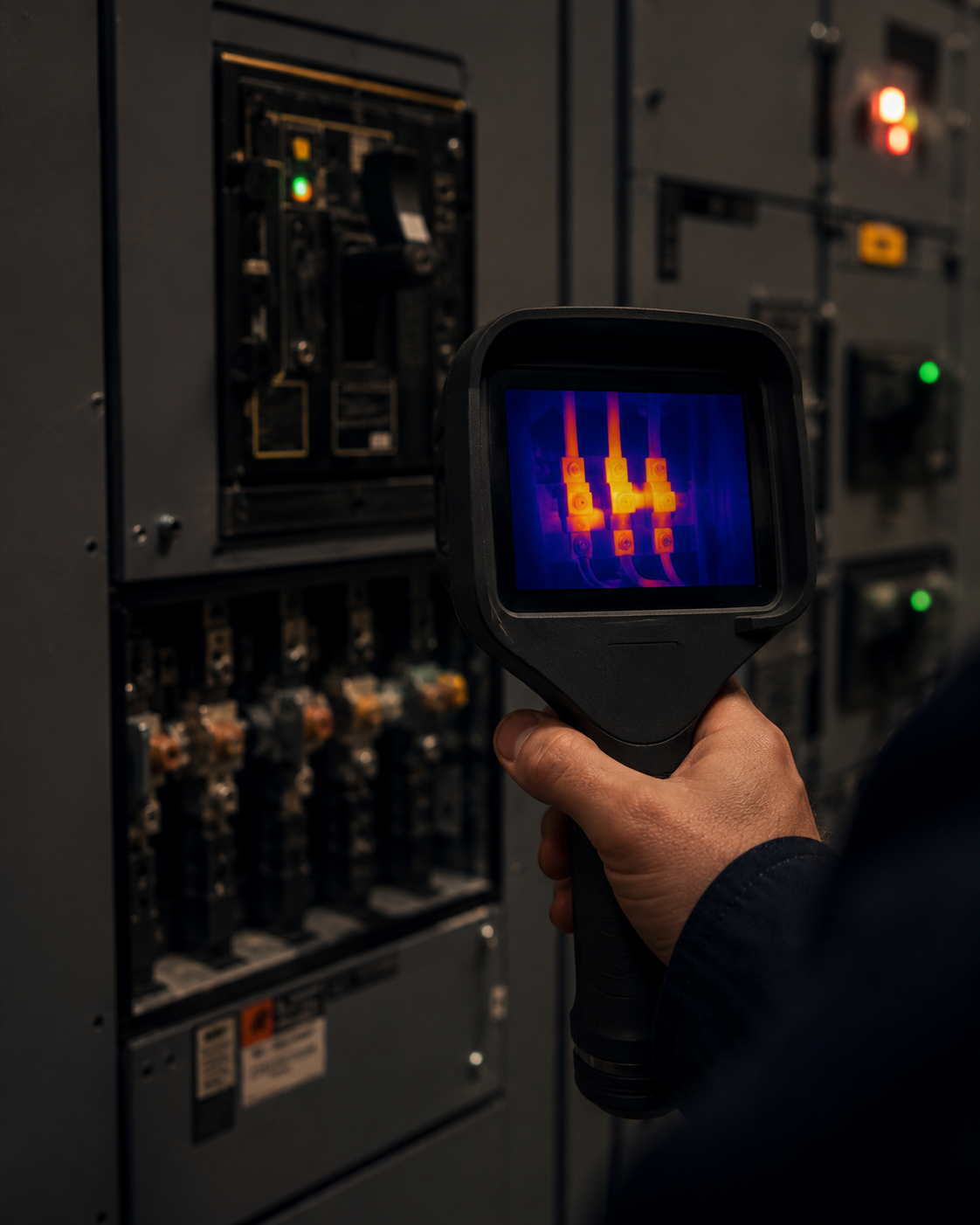
Independent FLIR thermal imaging and NFPA 70B documentation for hospitals and critical infrastructure across Georgia, Florida, Alabama, South Carolina, and Tennessee.
Independent thermal documentation for hospital generators, ATS, UPS, switchgear, and electrical rooms — delivered as one organized PDF that lives in your audit binder. Built for facility directors who already have enough on their list.
NFPA 70B isn't new. Joint Commission and CMS reviewers have been asking the same question for years. Your insurance carrier already references it.
The problem isn't whether thermal documentation belongs in your critical power program. The problem is that documentation keeps getting pushed behind outages, staffing decisions, capital projects, and the daily work of running the plant.
Until the record is requested.
True South FieldOps exists to solve that one problem — cleanly, on a recurring schedule, without adding complexity to a job that already has too much of it.
It is the independent documentation layer between service work and audit readiness.
A scoped annual engagement that documents the same critical assets each cycle. You don't manage the project. You don't chase the deliverable. You don't decode a 200-page report from a national firm. You get a clean PDF, labeled, classified, ready for the binder.
Your electrical contractor does excellent work and writes their own paperwork. True South provides a separate field record focused only on observed thermal condition — the documentation layer your audit binder is asking for, with no overlap, no conflict, and no second invoice from your service vendor.
One thermographer shows up. Same person every cycle. Consistent instrumentation. Standardized report format. No rotating crew, no hand-off between sales and field, no escalation chain when something is unclear. You call. He answers.
The same assets documented in the same order with the same classification system, year after year. When a surveyor asks how long you've been monitoring critical power thermal condition, the answer is a file folder of dated reports — not a verbal explanation.
Every engagement ends with a clean, dated, photo-anchored PDF — not a text thread, a verbal summary, or a vendor's own paperwork.
The scan is the method.
The camera is the tool.
The field report is the product.
Every asset documented gets a page. Every thermal image is paired with a visual reference. Every finding is classified per NFPA 70B severity. Every report includes a calibration documentation appendix.
See a Sample Report FormatThermal and visual documentation of critical power infrastructure in hospitals and healthcare facilities — from generators to switchgear to UPS battery rooms.
Hospital critical power is the primary engagement. The same documentation discipline supports BESS installations, industrial electrical systems, data center critical power, and marine and dockside electrical when those engagements arise.
True South documents visible and accessible conditions at time of visit using calibrated thermal imaging.
This is not electrical testing, engineering assessment, code inspection, repair estimation, certification, commissioning, or corrective-action recommendation.
That boundary is not a limitation. It is the reason the report has value — it stays focused on documented condition without crossing into work your own qualified personnel and licensed contractors are responsible for.
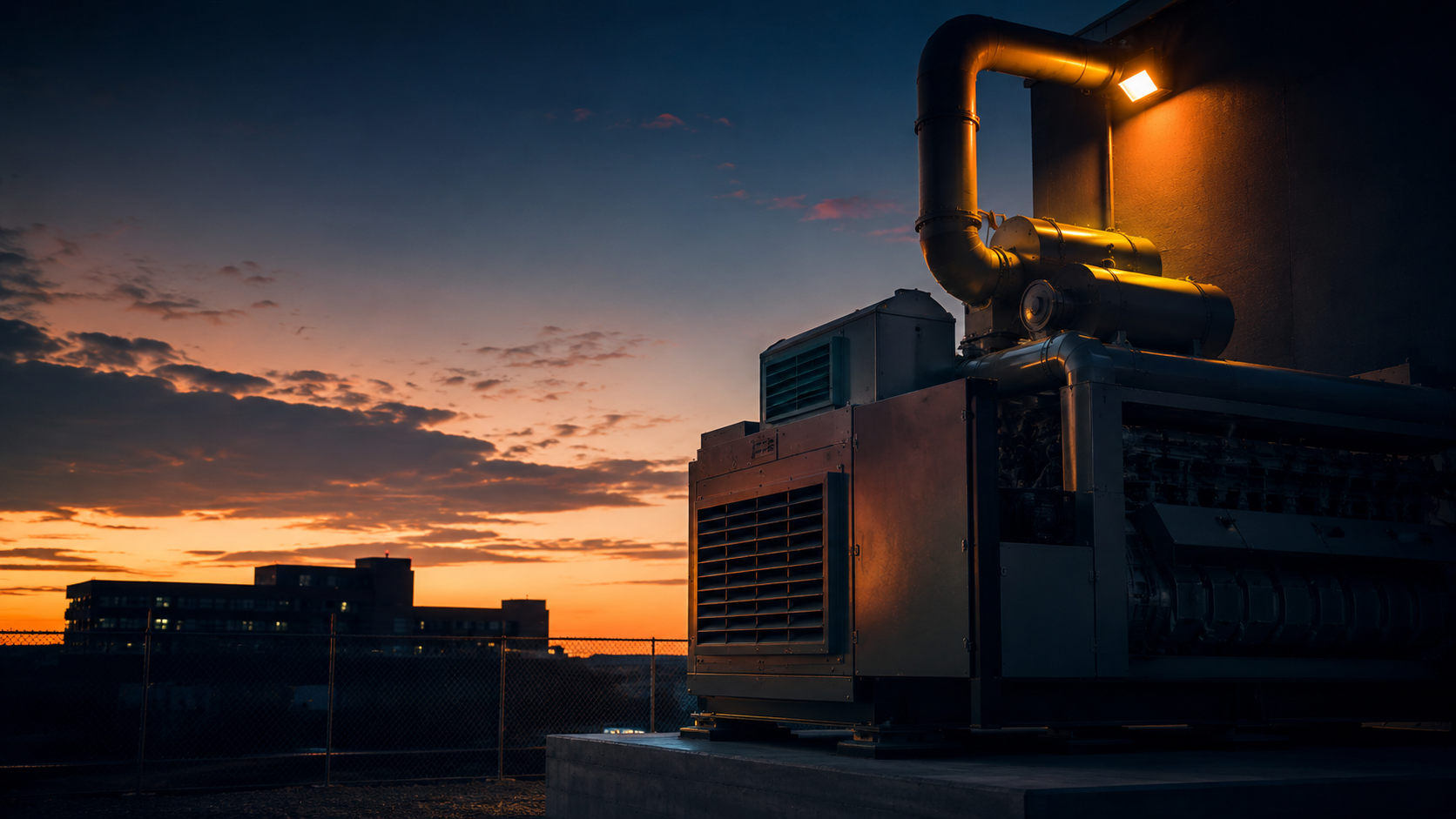
More healthcare facilities are adding battery energy storage and on-site microgrids to harden critical power. NFPA 855 governs how those systems are documented — and thermal imaging is central to it.
True South documents BESS and stored-energy assets under the same observation-only discipline as your generators, ATS, and switchgear.
True South field reports reference the standards your surveyors, reviewers, and underwriters reference — without claiming to certify against any of them. Joint Commission. CMS. NFPA. ASTM. Insurance underwriters.
Client identity withheld out of professional discretion. Anonymized sample report format available for review during a scope conversation.
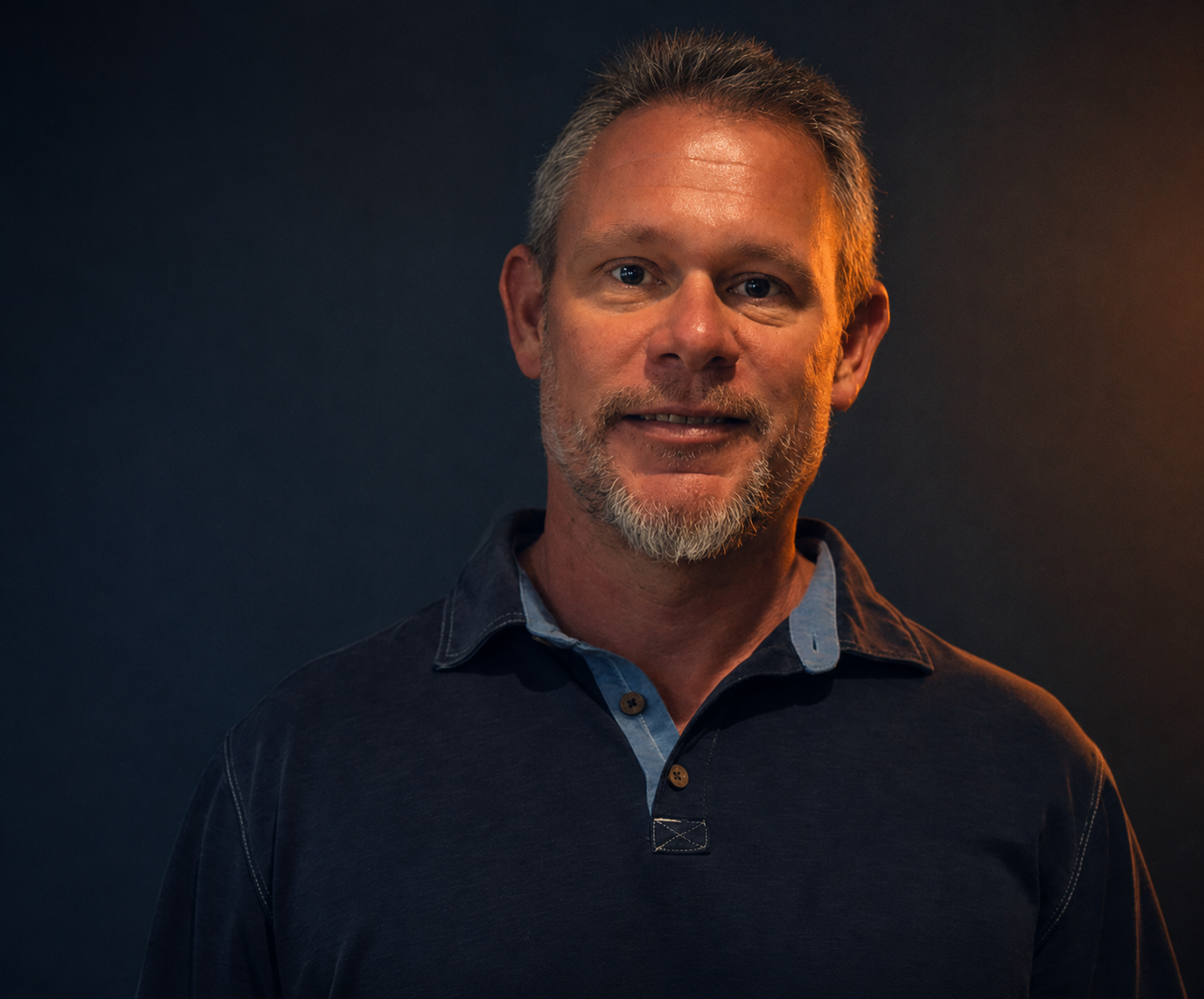
True South FieldOps was built by John Munn — 24 years of critical systems field experience across United States Air Force aircraft maintenance (F-15, C-130, B-1, E-8C JSTARS), Gulfstream Aerospace, manufacturing operations, and facilities management.
A field operator, not a consultant. Built by someone who has spent a career in the mechanical and electrical rooms, under aircraft on the flight line, on manufacturing floors, and in facilities where the systems do not get a second chance to work.
The aviation maintenance background informs the documentation discipline:
Every discrepancy gets a write-up.
Every write-up gets a reference.
Every reference becomes part of the record.
Nothing exists outside the record.
That mindset is the operating standard for every True South field report — applied now to the critical power systems your hospital depends on.
Calibrated radiometric thermal imaging
Paired thermal + visual documentation
DJI Mavic 3T Enterprise
Aerial and outdoor thermal capability
Observation-only thermal and visual field documentation. Not electrical testing, engineering assessment, code inspection, repair estimation, certification, commissioning, public adjusting, or corrective-action recommendation. True South documents visible and accessible conditions at time of visit. Hidden conditions are outside scope.
Every True South field report follows the same disciplined structure — cover page, executive summary, methodology, asset-by-asset documentation, findings summary, and calibration appendix. Built to live in an audit binder, insurance file, or facility records system.
Facility name, documentation date, thermographer credentials, equipment used, ambient conditions, total assets documented, findings by severity, and access limitations — clearly stated on the first two pages.
Every asset gets its own page — visual image, thermal image, NFPA 70B classification, and field observation notes. P4 Normal assets are documented, not skipped. The full record is the deliverable.
Every thermal finding is paired with a corresponding visual reference image. No orphaned thermal images without context. Every image labeled and referenced in the report narrative.
Findings classified per NFPA 70B severity (P1 through P4) where applicable. Each finding cross-referenced to the asset page and visual image. Summary table built for facility leadership and audit review — not buried in narrative.
True South field reports follow the same disciplined format across every engagement — structured asset coverage, observation-only language, photo-anchored findings, NFPA 70B classification where applicable, and clear scope limitation language.
A facility-specific sample report — with paired thermal and visual images, severity classification, and full asset coverage — is provided after a scope conversation. The full report methodology is not publicly exposed.
Request a SampleA short call or in-person meeting. What assets, what facility, what documentation timeline, what's currently in your records. No formal proposal cycle, no procurement gauntlet. Just a clear scope.
One project fee — quoted before any work begins. No hourly billing, no surprise line items, no change orders for normal documentation work. Every variable settled before the visit is scheduled.
A scheduled site visit. Field documentation completed in one or more days depending on facility size. PDF report delivered within agreed turnaround. Then it's in your binder. Then it's done.
Based in Milledgeville, Georgia. Hospital critical power is the primary engagement — serving facilities throughout Georgia, Florida, Alabama, South Carolina, and Tennessee. The same field discipline supports BESS, industrial, and data center critical infrastructure when those engagements arise.
Most hospital facility directors already understand why independent thermal documentation belongs in a critical power program.
The harder part is getting it done before the question becomes urgent — and getting it done in a way that doesn't add a project to a list that's already full. True South FieldOps was built specifically for that purpose. One field operator. One clean report. One thing off your list.